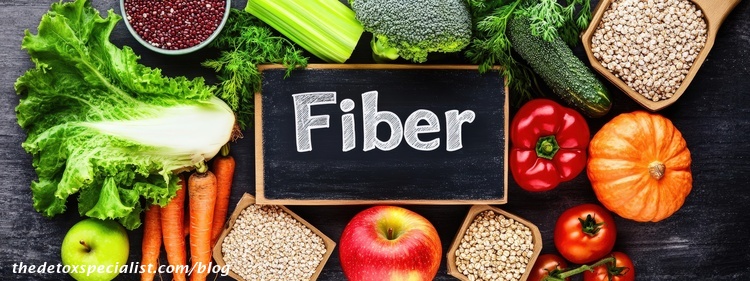
If you asked ten people what nutrient they think about most, I’d guess fiber wouldn’t even make the top five. Protein gets all the glory. Sugar gets all the blame. Ultra processed foods are getting the blame for obesity. Fiber just quietly sits in the background, doing some of the most important work in your body without ever asking for credit.
That’s a shame, because fiber isn’t just “roughage” that keeps things moving. It’s one of the most powerful tools we have for supporting gut health, balancing blood sugar, and feeding the trillions of microbes that live in our digestive system.
So today I want to talk about fiber properly — why most of us aren’t getting enough, why supplements can’t fully make up the gap, and how you can start closing that gap deliciously, with a recipe I think you’re going to love (see below).
The Fiber Rich Diet Gap Nobody Talks About
Most nutrition guidelines recommend aiming for around 30g of fiber a day. That’s the benchmark most health bodies point to as a reasonable target for supporting digestion, heart health, and metabolic function.
Here’s the uncomfortable truth: many of us don’t even get close. A huge number of adults fall well short, often sitting closer to 20g a day, sometimes even less.
That gap matters more than people realise. Fiber isn’t just about avoiding constipation. It’s about giving your gut bacteria the raw material they need to thrive, which in turn affects everything from inflammation levels to mood to how well you regulate blood sugar.
If you can push your intake higher than the standard 30g target, even better. A fiber rich diet, from more varied sources, tends to mean a more resilient, more diverse gut microbiome.
Related reading: Fibermaxxing, the Ultimate Guide to this Trending Digestive Health Hack
Why Fiber Supplements Aren’t a Shortcut
I get asked about fiber supplements a lot. They seem like such an easy fix — a scoop of powder, job done, right?
Not quite. Here’s the thing most people don’t realise: there are over 100 different types of fiber. Soluble, insoluble, fermentable, non-fermentable, and dozens of subtypes within each of those categories. Each one behaves differently once it reaches your gut, and each one feeds a different subset of your microbiome.
Related reading: The Return of the Fiber Trend is Good for Bowel Cleansing
A supplement typically gives you one, maybe two, types of fiber. Whole foods give you a whole spectrum. That’s why a fiber supplement, however well-formulated, simply can’t replicate what a varied, plant-rich diet does for your gut.
This is why I always come back to the same message: get your fiber from food first. Beans, oats, fruit, vegetables, nuts, seeds, whole grains — the more variety, the better. Supplements can play a supporting role, but they shouldn’t be the main event.
A Smoothie That Actually Delivers
This is exactly why I love recipes that sneak fiber in from multiple angles at once. Instead of relying on one “fiber food,” you’re layering several different plant groups together, which means you’re feeding a much broader range of gut bacteria in one go.
That’s the idea behind this smoothie. It’s not your average sweet, fruit-only blend. It brings together legumes, oats, fruit, and vegetables — plus a coffee kick — into one nourishing, gut-supportive breakfast.
It’s also loaded with polyphenols, the plant compounds known for their gut-loving, microbiome-feeding properties. Between the beans, dates, cinnamon, nutmeg, and coffee itself, this smoothie is doing a lot more nutritional heavy lifting than it looks like on the surface.
Super Six Coffee Smoothie.
(based on a recipe by Megan Rossi)
Serves 2
Prep time: 5 minutes
Ingredients
- 150g organic vanilla kefir yoghurt
- 1 tbsp organic almond butter
- 1/3 of a 400g can of organic black beans, drained and rinsed (approx. 70g drained)
- 2 Medjool dates, pitted
- 1 frozen organic banana
- 1 cup frozen organic cauliflower
- ½ cup organic gluten free oats
- ½ tsp ground cinnamon
- ½ tsp ground nutmeg
- 1 cup cold-brewed organic coffee
Method
- Add all ingredients to a blender and blitz for 60 seconds, or until completely smooth.
- Pour into your chilled serving glasses and enjoy!
Wait — Black Beans and Cauliflower in a Smoothie?
I know, I know. It sounds unusual. But this is exactly the kind of ingredient list that makes a smoothie genuinely fiber-rich rather than just fruit or green smoothie.
The black beans bring in resistant starch and soluble fiber. The oats add beta-glucan, a type of soluble fiber that’s particularly good for supporting healthy cholesterol and blood sugar levels. The frozen cauliflower adds bulk and nutrients without dominating the flavour, while the banana and dates bring natural sweetness along with their own fiber content.
The kefir yoghurt adds a dose of probiotics on top of all that prebiotic fibre, which is a lovely combination — you’re feeding your gut bacteria and topping up the population at the same time.
What About the Coffee?
This is where I want to be honest with you, because coffee isn’t a simple yes-or-no when it comes to gut health.
Coffee can be either a gut helper or a gut agitator, and it really depends on your individual gut and how your body responds to caffeine.
If you don’t experience digestive symptoms, up to two cups a day may actually support gut health, largely thanks to coffee’s polyphenols, which act almost like fertiliser for your gut microbes.
But if you’re dealing with bloating, anxiety, or stress-related gut symptoms, caffeine may not be doing you any favours. It can overstimulate the gut-brain axis, speed up digestion a little too much, and amplify your stress response, including cortisol spikes, which can worsen the very symptoms you’re trying to calm.
My advice? Get to know your own gut. On high-stress days, or whenever your gut feels unsettled, try swapping in decaf. You’ll still get most of the beneficial polyphenols, just without the extra gut stress that caffeine can bring.
The Bigger Picture
At the end of the day, a fiber rich diet isn’t complicated. It’s just under-prioritised. We spend so much energy thinking about protein grams and cutting sugar that fiber quietly falls off the radar, even though it’s arguably doing more for your long-term gut and metabolic health than almost anything else on your plate.
The good news is that closing the fiber gap doesn’t have to mean choking down bran flakes or forcing yourself to love lentils. It can look like a smoothie you actually look forward to each morning — one that happens to be doing serious work behind the scenes.
So next time you’re reaching for your morning coffee, consider giving this smoothie a try instead. Your gut microbes will thank you, one polyphenol-packed sip at a time.